Lost in translation
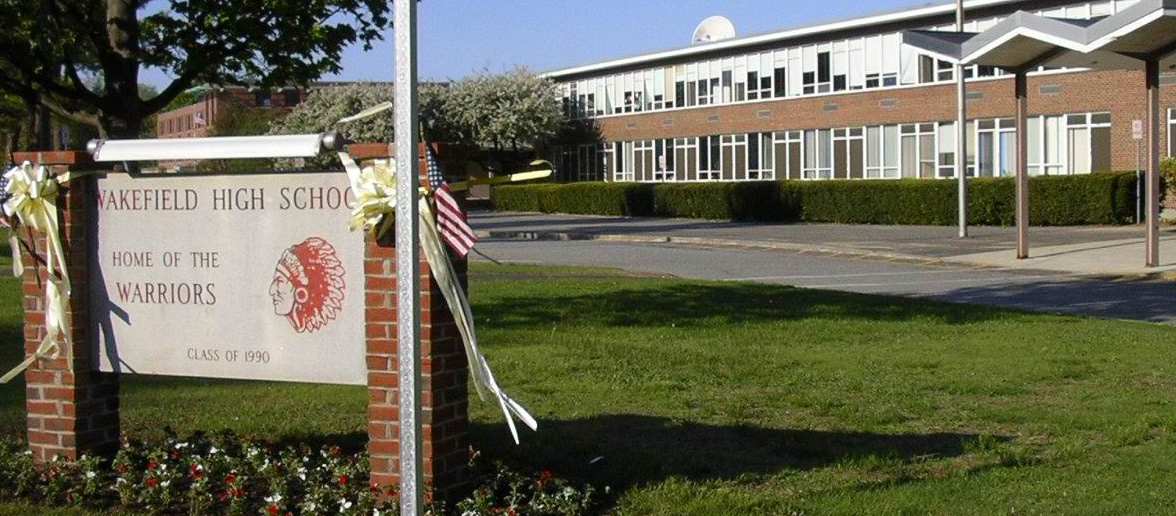
Lots of professions have languages all their own, filled with terms and jargon that are foreign to the average human. Nowhere is that truer than in the field of public education. Even when “educators” are creating presentations for public consumption, their primary goal is to impress other educators, who are the only ones who can understand what they’re talking about.
I’m referring of course, to Eduspeak, a language that aims to sound erudite while being just inscrutable enough to discourage anyone who is not a “stakeholder” from delving too deeply into the underlying “frameworks.” 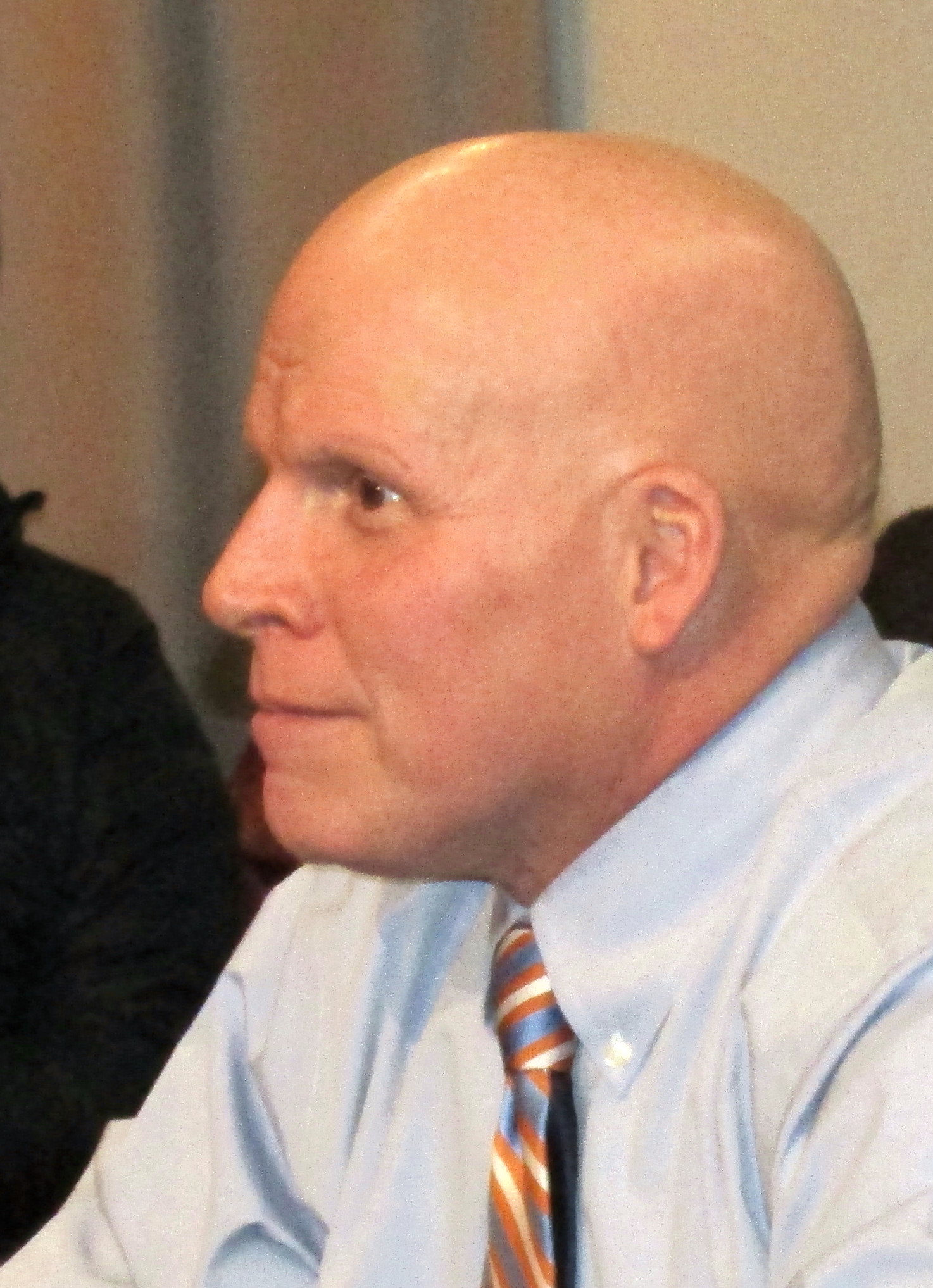
Never is this parlance more in evidence than when educators are called upon to describe their goals. Wakefield School Superintendent Doug Lyons recently found himself in that “space.” To say that Dr. Lyons is fluent in Eduspeak would be an understatement of epic proportions.
Sadly for English speakers, Eduspeak-to-English is not an option offered by Google Translate. Although I’ve interacted with enough native speakers to have a passing familiarity with this dialect, even I am often stumped by Eduspeak’s unique syntax.
Looking at the district goals outlined last month, the first thing that jumps out is the sheer quantity of “alignment” taking place. In one form or another, the word “align” appears no fewer than 14 times in the district goals and action steps. There’s more alignment going on in Wakefield Public Schools than at Fahey Tire and Wakefield Tire combined.

“Alignment” is the second word in the First Goal, which addresses “Quality Teaching.” The word “aligned” appears three times in this two-sentence goal, including twice in the second sentence: “The district will focus on aligned professional development, curriculum, and instruction visits, and the newly adopted state model for supervision and evaluation to provide targeted feedback aligned with Standard II,” Goal #1 asserts.
I’d be tempted to call this goal “ambitious” if I had any idea what it meant.

The “Action Steps” for accomplishing Goal #1 include: “Distribute and adhere to the Annual Curriculum and Instruction Calendars” and “Align instructional planning and professional development to calendar timelines.”
English Translation: “We will use a calendar for scheduling.”
The second district goal pertains to “rich and challenging Curriculum.”
The Action Steps for accomplishing this goal include “Continue to develop science units aligned with state standards and focused on the recommendations of the curriculum review-inquiry-based learning, hands-on investigations, and formative assessment practices.”
I’ll let you untangle that linguistic puzzle. If you can decode that cipher, these next few should be a piece of cake:
“Define team goals to support curriculum implementation, instructional consistency, and peer collaboration.”
“Lead a structured curriculum review process that includes standards alignment, resource evaluation, and stakeholder input.”
“Regularly analyze student performance and engagement data to evaluate the effectiveness of communications systems. Use findings to adjust messaging, guidance and instructional supports, ensuring continuous improvement in academic, social-emotional, and equitable outcomes.”
Got all that?
One Superintendent Goal involves creating “comprehensive and efficient systems of communication to engage and support all members of the school community.” Action Steps for this goal include “strengthening instructional communication” to ensure “clear, timely communication…”
Timely? Maybe.
But clear? I think a little more “alignment” might be needed to facilitate that outcome.
—
[This column originally appeared in the November 13, 2025 Wakefield Daily Item.]
Filed under: Columns & Essays, Humor, Opinion, Wakefield | 1 Comment
Tags: align, aligned, alignment, curriculum, Douglas Lyons, education, educator. teacher, eduspeak, Fahey's Tire Center, frameworks, goals, Google Translate, Humor, instruction, jargon, language, Mark Sardella, Opinion, School Superintendent, schools, space, stakeholder, teaching, Wakefield Daily Item, Wakefield Public Schools, Wakefield Tire Center, WPS
Flickr Photos


 Mark Sardella
Mark,
I have a doctorate in Education — in Teacher Education and School Improvement — and I don’t understand what they are saying!
I am reminded of the Trump/Biden debate when Trump said “I have no idea what he just said, and I don’t think he does either.” I’m in the field, I know what the words mean, but unless you’ve quoted this seriously out of context, this is a word salad.
A “Word Salad is a “confused or unintelligible mixture of seemingly random words and phrases” — it’s usually indicative of something like schizophrenia and/or serious drug abuse. I’m not saying that’s the case here, but if I can’t figure out what they are saying, do they even know?
Do they even know???