Happy Columbus Day!
This may shock some of you, but within living memory the discovery of America was regarded as a good thing.
Now, instead of learning about an adventurous explorer who discovered a whole New World, school children are taught that they live on stolen land and are descended from genocidal colonizers. And we wonder why kids suffer from depression and low self-esteem.
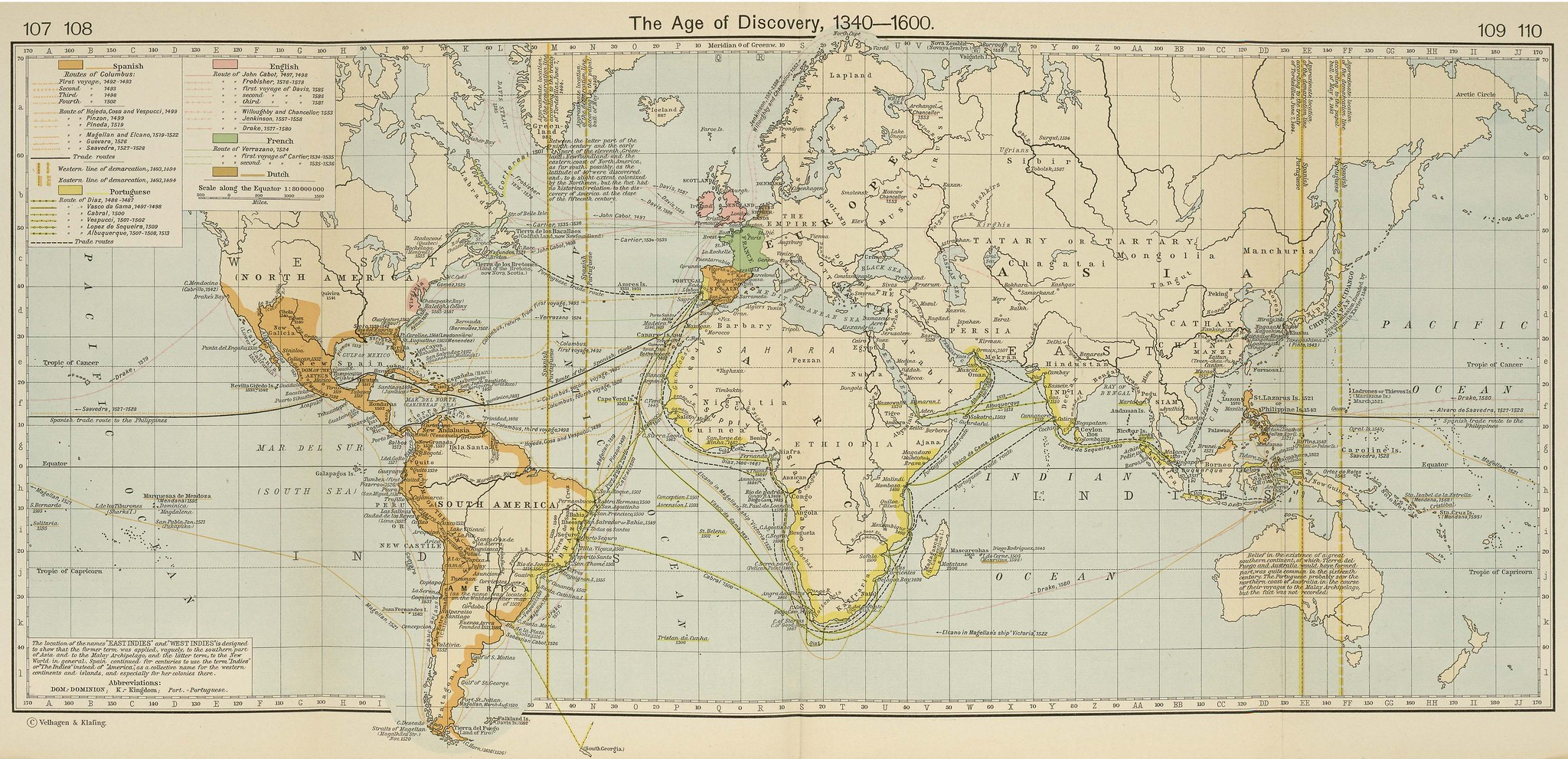
The history of human beings on planet earth is the history of exploration and conquest. It hasn’t always been pretty. But only one nation and only one explorer is ever held to account for it.
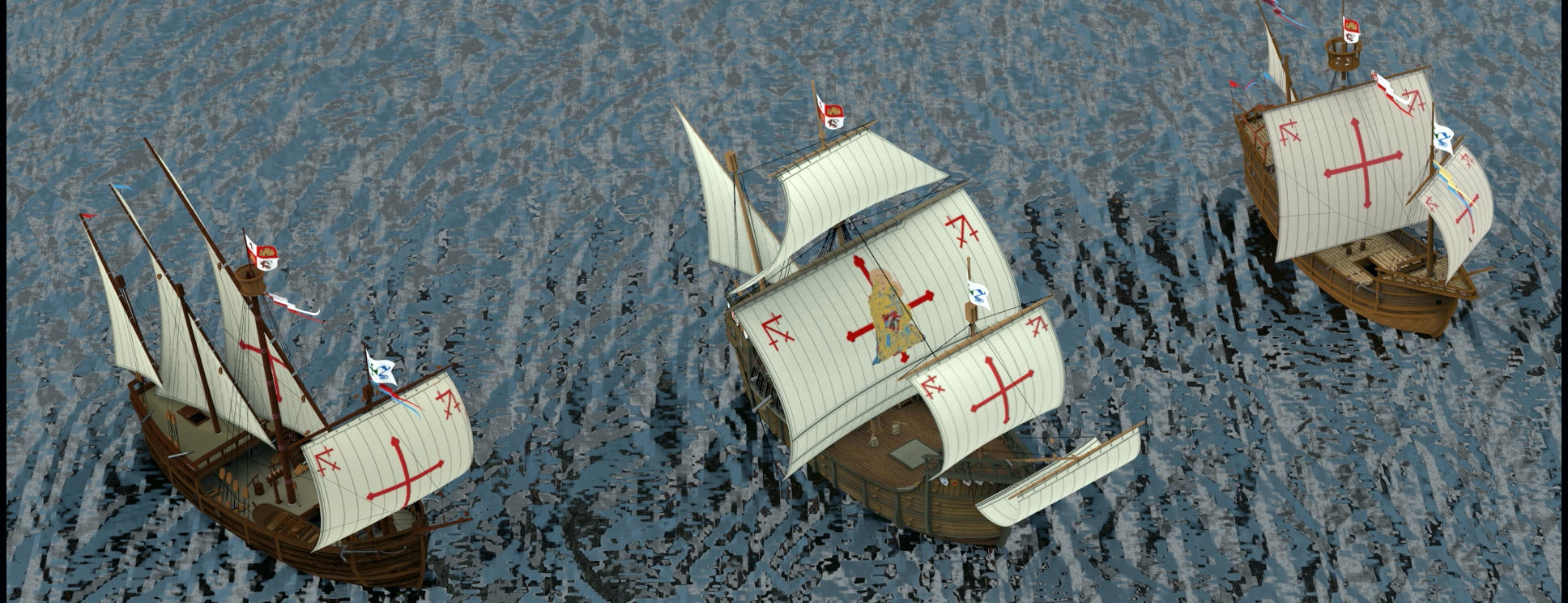
The belief that the North American continent was a peaceful paradise populated by native tribes living in harmony before the Europeans arrived is as much a myth as any fanciful tale of the Nina, the Pinta and the Santa Maria.
“Not all Indians lived in a continual state of intertribal war,” wrote historian Samuel Eliot Morison in his Oxford History of the American People, “but war was part of the social pattern. Any Indian group that tried to shift its dominant values from war to peace was doomed to extinction by another.”
Not only was warfare between Indian tribes a way of life in North America for centuries before Europeans arrived, so was slavery and human sacrifice. Yet somehow, we never hear about any of that during “Indigenous Peoples Day” celebrations. But the mere mention of Columbus Day must be accompanied by a full recitation of the explorer’s flaws and alleged crimes.
Christopher Columbus is reviled because his discovery set in motion events that eventually resulted in the United States of America. That unforgivable sin is what all this anti-Columbus stuff is really about. It’s not about celebrating Indigenous Peoples, Native Americans, First Peoples or whatever the correct term is this week. The real goal is to eliminate a day of American pride and replace it with one that is inherently critical.

Everybody knows the history. This isn’t about redressing a centuries-old wrong or correcting the historical record. It’s about diminishing the United States.
In 1937, President Franklin D. Roosevelt created the first federal observance of Columbus Day to recognize the contributions of Italian Americans and to assure them of their rightful place in American history.
“We are celebrating today the exploit of a bold and adventurous Italian,” FDR said, “who with the aid of Spain opened up a new world where freedom, tolerance and respect for human dignity provided a refuge for the oppressed of the Old World.”
Eighty-seven years ago, even progressives believed that.
If celebrating Christopher Columbus and his discovery of America was good enough for President Roosevelt, it’s good enough for me.
—
[This column originally appeared in the October 10, 2024 Wakefield Daily Item.]
Filed under: Columns & Essays, History, Humor, Opinion, Politics, Wakefield | 2 Comments
Tags: America, Christopher Columbus, colonizers, Columbus Day, education, exploration, explorer, First Peoples, Franklin D. Roosevelt, History, holiday, human sacrifice, Humor, Indians, Indigenous peoples, Italian-Americans, land acknowledgement, Mark Sardella, Native Americans, New World, North America, Opinion, Politics, Samuel Eliot Morison, schools, slavery, tribes, United States, Wakefield Daily Item, war
Flickr Photos


 Mark Sardella
Nicely chronicled Mark. Your justification of why the United States celebrates Columbus Day is beautiful. People need to be educated about the lifestyles of the Indigenous peoples before the Europeans ever set foot on these shores. Love how you bring in FDR’s words for creating Columbus Day. Well done!
Mark, Sit down first. You good? OK, I agree with you about something. Sort of. I don’t think that children’s minds should be filled with questions of adult guilt. Let’s not be in a hurry to abolish childhood.
But this doesn’t mean that the question of the guilt of the European settlers can’t be discussed at any grade level. it can and should.
In my own experience (brief) as a high school teacher, I found that by the tenth grade, a lot of students have the detachment and analytical skill to start talking about these questions. For example, if the settling of North America by Europeans involved the displacement and slaughter of millions of “indigenous” people, what does that say about our country today? Is it right to dismiss the question by saying, that’s just what history is? Or can we say that the injustices inflicted on the indigenous people mean that our country is simply wicked and all its achievements without value? Or is the truth complex and murky, allowing us to love our country and be proud of its positive achievements, while forcing us to acknowledge the injustices in its past? As you might guess, I favor third conclusion. I believe that thinking about these questions will turn students into more serious and thoughtful persons.
As for “Columbus Day” vs “Indigenous people’s day”, I’m in favor of letting sleeping ideological dogs lie, but if the dog wakes up, we can’t pretend it’s asleep. There’s no going back to “Columbus Day”, But “indigenous peoples day” is lousy because the human race is not indigenous to North America. “First peoples”, a term used in some contexts in Canada, is simple and historically accurate.Why can’t we use that?